
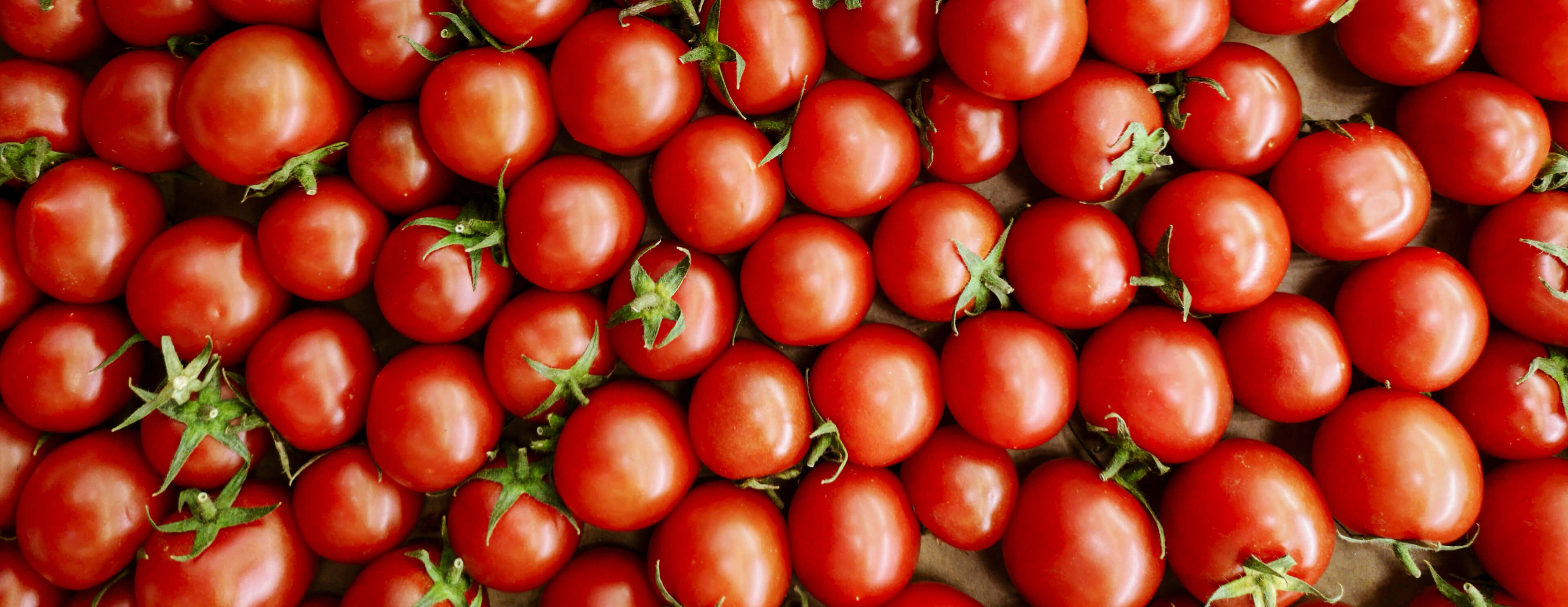
Tomato - a vegetable (or a fruit?) so important that it has its own museum
"Knowledge is knowing that a tomato is a fruit, wisdom is not putting it in a fruit salad."
The origin of the tomato
The wild tomato or Solanum racemigerum originates from South America. Afterward, it came to Central America, where the Mayas started growing it and developed a much bigger fruit than the one we know today. After that, the Aztecs took it over and continued growing them in southern parts of Mexico.
The seed arrived from Mexico to Spain - it was brought by missionaries who borrowed the name tomatl from the natives and gave it the name - tomate. Dictionaries state that the word tomate was mentioned in the Spanish language for the first time in 1532.
New food from the New World
The encounter between the Old and the New World was a chance for fantastic exchanges in terms of food. Together with the tomato, in Europe arrived corn, hot peppers, and other types of peppers, cassava, beans, peanuts, potato, and sweet potato, some varieties of squash, sunflowers, pineapple, and other tropical fruits like avocados and papayas, and also cocoa, vanilla, turkey and tobacco.
The tomato arrived in Europe in the early 16th century. Firstly, it was not approved in Spain. They used it mainly as a decorative plant and to study biology. The first European country that recognized the value of the tomato was Italy, and the first Italian region was, you guessed correctly - Sicily. And exactly this part of Italy is the origin of the oldest Italian tomato-based recipes, especially sauces, and dry canned dishes,
The official history of tomatoes in Italy began on the 31st of October 1548 in Pisa, when Cosimo de Medici, a Florentine banker, was gifted with a basket of tomatoes from Sardinia. It is believed that the tomato traveled all the way to Genova, and then through Piacenza to Parma, Milano, Novara, and Torino.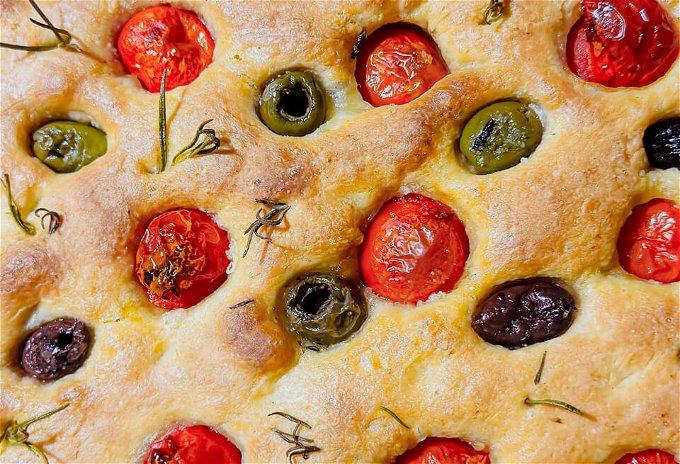
The spreading of the tomato through Italy was really slow: the initial distrust towards the new food, which at these times could not be paired with any existing dish, limited its gastronomic potential. Only in the 18th century began the era of food experiments, which was a strong trigger for its popularity in the 18th century. Fortunately for all the lovers of this red paradise fruit, this process has never stopped.
Today in Italy, the tomato enjoys an honorable place in the gastronomic world, but also in the entire culture of that country, so much so that it has its own museum. It is an ethnographic museum located in Corte di Giarola, near Parma, a town historically dedicated to the production and processing of tomatoes. Interestingly, this museum shares the space with the Pasta Museum.
Focaccia with tomatoes and olives - find the RECIPE here
Latest Recipes
We bring you tried and tested recipes of our favorite dishes, culinary tips, and suggestions on how to best combine spices and ingredients for a complete sensory experience.

Summer Garden with Black Tomato, Melon, Black Raspberry and Harissa Provencal Salt
Summer Garden with Black Tomato
with Melon, Black Raspberry and Harissa Provençal Salt
Salad by Chef David Francesco Komadina

MARITOZZO ALLA ROMANA
Mekano talijansko brioche tijesto s citrusnom aromom, punjeno laganom crema diplomaticom.
Recept je osmišljen kao klasična rimska baza s preciznim koracima pripreme, kako bi tijesto ostalo mekano, prozračno i bogato kremasto.